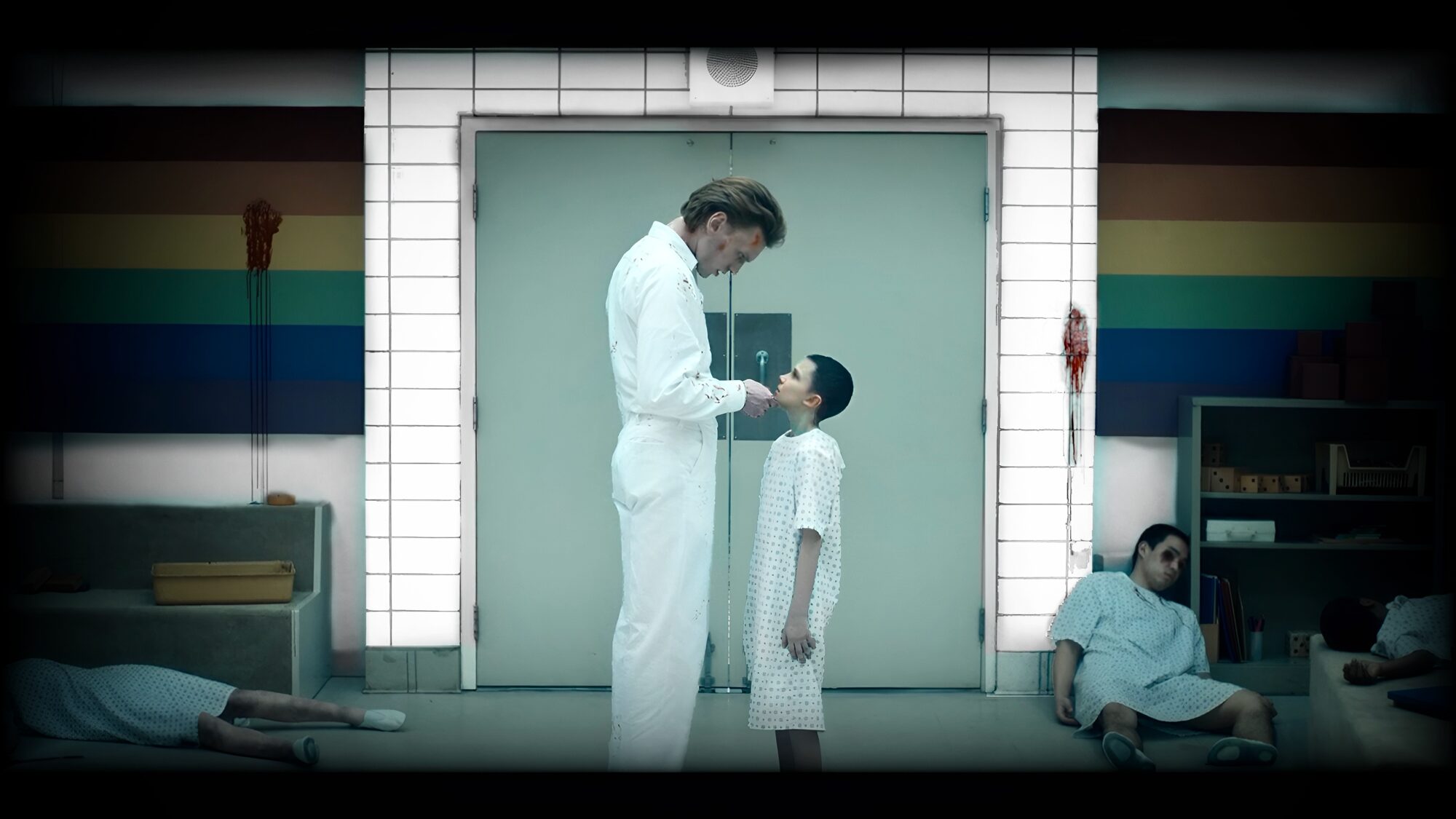
Our Choice Between A Miracle and A Massacre – Part Three
Disclaimer: The Stranger Things show (and specifically this blog series) has a particular reputation for strong graphic content and emotionally intense scenes. Discretion is advised.
Note for context: The video clips constantly transition from an “older version” of El to a “younger version” of El. This is because the entire dilemma is of El remembering her forgotten childhood trauma. It’s the same person, but simply her older self remembering her forgotten childhood.
“… everyone who sins is a slave to sin …”
~ John 8:34
Among the most difficult of God’s commands is to practice forgiveness. Experiencing trauma in some shape or form gives us a choice: (1) we can ruminate about the sins that have been inflicted on us, or (2) we can use the blessings amongst our curses to help others who have also been traumatized. Both have implications for our eternal life. We know the definition of forgiveness and how to forgive. We’ve even discussed why we are to forgive.
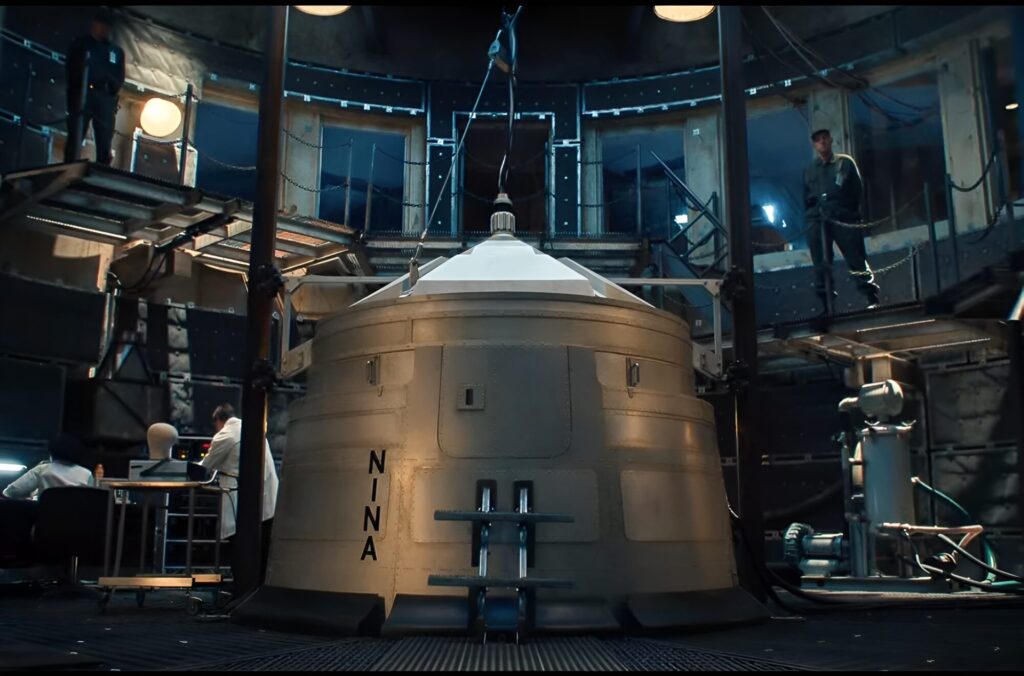
Let us give a full recap of the story: Our protagonist, El, is seeking her lost powers. She decides to work with the people who traumatized her as a child – an organization that named her “test subject #11.” This entire effort was given a secret code name, “The Nina Project.” El was to rediscover her forgotten childhood by means of a sensory deprivation tank. She could relive her childhood trauma in doing so. And in theory, this would provide the *spark* that El needed to rediscover both her motivation and her psychokinetic abilities.
The parallels between Henry and El are noteworthy in regard to forgiveness. One decides to use it as motivation to inflict a massacre. The other uses it as an ability (a blessing) to protect her friends. One is destructive. The other is protective.
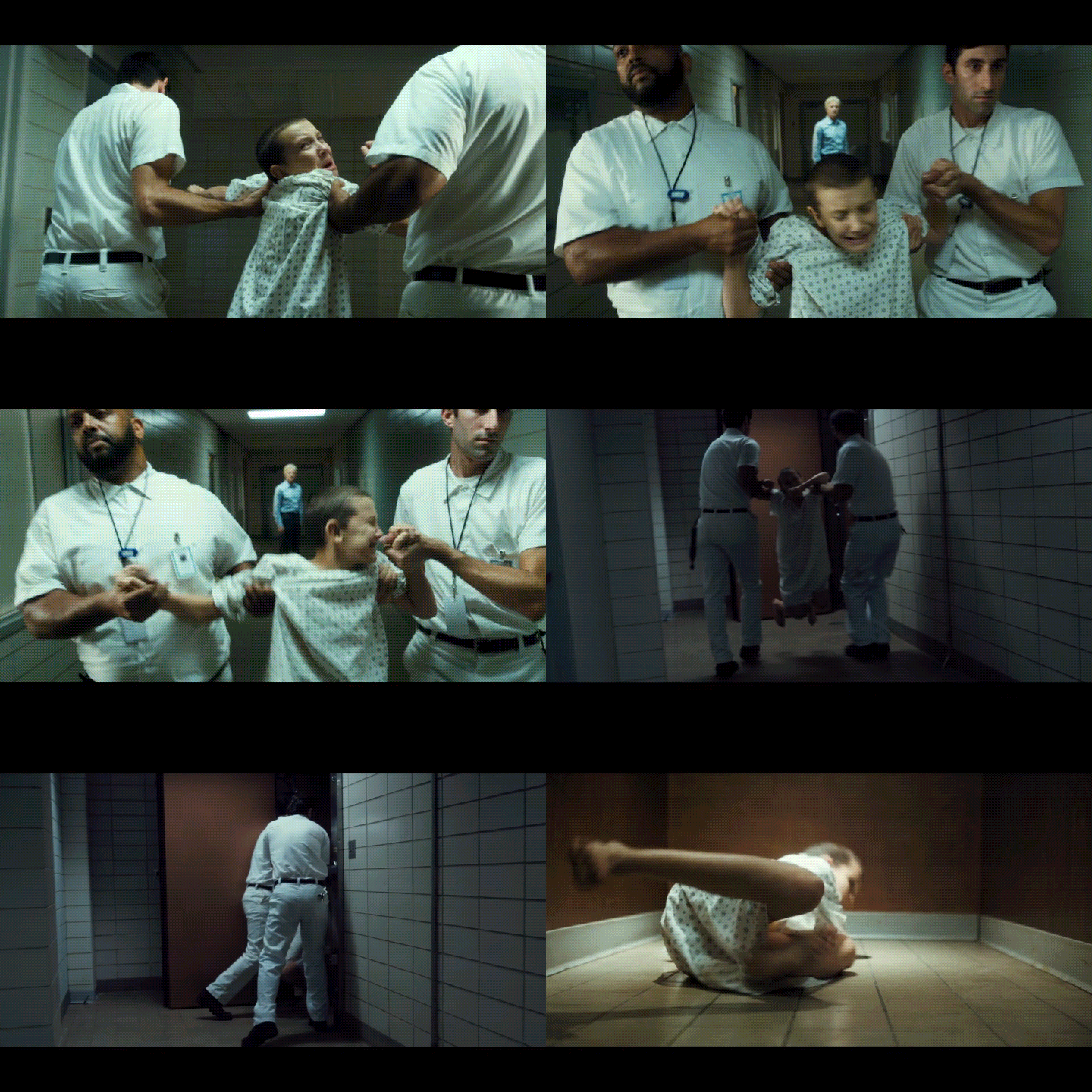
El was born and raised as a mere test subject. No name. No identity. No family. She was an eight-year-old girl who was powerless amongst a world of pure evil.
There was a unique trait that set El apart from the other test subjects: Her pure heart. It was Dr. Martin Brenner who demanded that El hurt animal test subjects with her psychokinetic powers. Yet, she refused every time. This refusal brought negative consequences. Such would prompt Dr. Brenner and the hospital staff to put her in solitary confinement. Thus, we observe El’s childhood trauma. She would cry in a corner until the staff sent her back for more experiments.

El was born in 1971. The show doesn’t reveal who El’s father is. Yet we are introduced to her true mother, Terry Ives. It was immediately after giving birth that Terry saw her child held by the hospital staff. Terry could hear her daughter crying. Yet, the hospital staff claimed her daughter had died at birth. Terry refused to believe this. She suspected her daughter was taken to be utilized as a test subject. Others insisted that the hospital told the truth. Nonetheless, Terry was right… She made a plan to get her daughter back. She broke into the hospital and searched each room until she finally found her daughter, whom she had named “Jane Ives.” Yet, this was short-lived. Terry was taken by the staff, tied down with a harness, and subjected to electroshock therapy. This left her in a permanent state of severe catatonia (an inability to react with their surroundings). Thus, El had forever lost her opportunity to know her mother. The one person who gave “test subject #11” a name was now permanently disabled.

As mentioned in a previous blog, El and the other test subjects were forced to compete in a tournament. Eleven won. Yet, this didn’t go well for El. She was the test subject whom the other subjects mocked and ridiculed. They were embarrassed by the fact that their skills were deemed inferior to those of the one they scoffed at. As a result, four of the other test subjects plotted to kill her. They decided to wait until the security cameras were off and everyone had left the room. This is the moment in which Henry (aka “One”) intervened in hopes of saving her life. But freeing Henry had allowed him to kill the other staff and test subjects – an action that can be described as a massacre. As a result, El was blamed for the massacre.
This is the lesson of the story: Do we fix the world’s brokenness by means of receiving Christ’s love? Or do we become the very thing that broke us? If there is no hope in saving others, then the sacrifice of Christ is meaningless. But Christ did in fact sacrifice Himself. It’s by His sacrifice that you and I are saved. And if we both are worth saving, then there are others worth saving. We might not see the goodness in others, but Christ sees it. May we have obedient faith in His judgment. So in this case, how are we to hold on? We are to hold onto the fact that God has no blemish. No flaw. No sin. We can hold onto the fact that Christ is trustworthy. Let us have full faith in Christ.
El had a chance to escape the hospital, but chose not to. She was determined to save her new friend, Henry, who risked his life to save her. El was told to stay hidden in a closet until Henry found a way out. On hearing the hospital’s sirens, El became curious and explored the hospital. She had witnessed a massacre. Now, El finds herself in a room with Henry and a room full of dead test subjects.
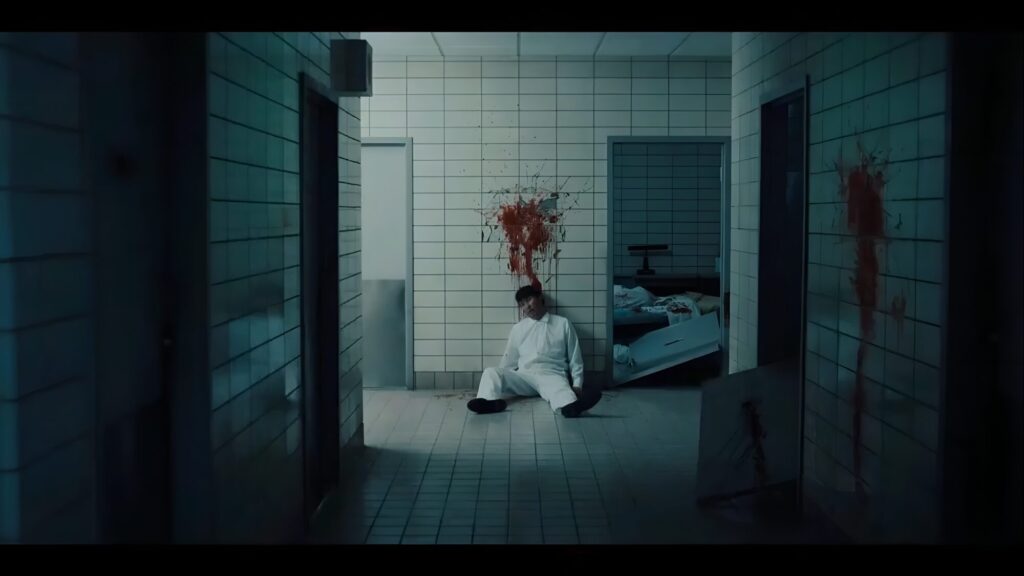
It’s at this point in the story that finally we get a clear picture of Henry’s life philosophy. He’s right in desiring freedom and an escape from trauma. And he’s right in seeing value in himself even when others don’t. But he makes the unfortunate choice in devaluing others. Henry becomes the monster that he desired to escape…
This entire blog series talks in the plural form. Yet, this can also be applied to our own inner selves. In El’s case, she is fighting the part of herself who ruminates on revenge and hatred. Her pain demands attention and subordination. In other words, her “pain demands worship.” But ultimately, we are to turn our eyes to Christ.
Turn your eyes upon Jesus,
Look full in His wonderful face,
And the things of earth will grow strangely dim,
In the light of His glory and grace.
Despite all of the abuse, El still acknowledges the value of those who wished to kill her. The same can be said of those who have hurt us.
Know this:
It’s in our darkest hours and our darkest traumas in which we find the blessings amongst our curses.
The project was a success. El had rediscovered her forgotten traumatic childhood. She discovered what she was looking for: A realization that she’s a person who matters. She remembers her mother, the abuse, the neglect, and ultimately the power to overcome it all.
Both you and I can do the same. The promise given to us by God is an infinite number of chances to start over again. It’s through Christ that our sin no longer defines us. We are no longer subject to “worshipping our pain.” We are now free. And in the case we fall again, we can know that Christ provides us an opportunity to get back up. Such is the beauty in knowing Christ.
The video clips have been shortened and edited under fair use to highlight parts relevant to this blog’s message. The story’s original meaning remains unchanged.